Ad serving and monetisation infrastructure
Ad delivery infrastructure for every screen.
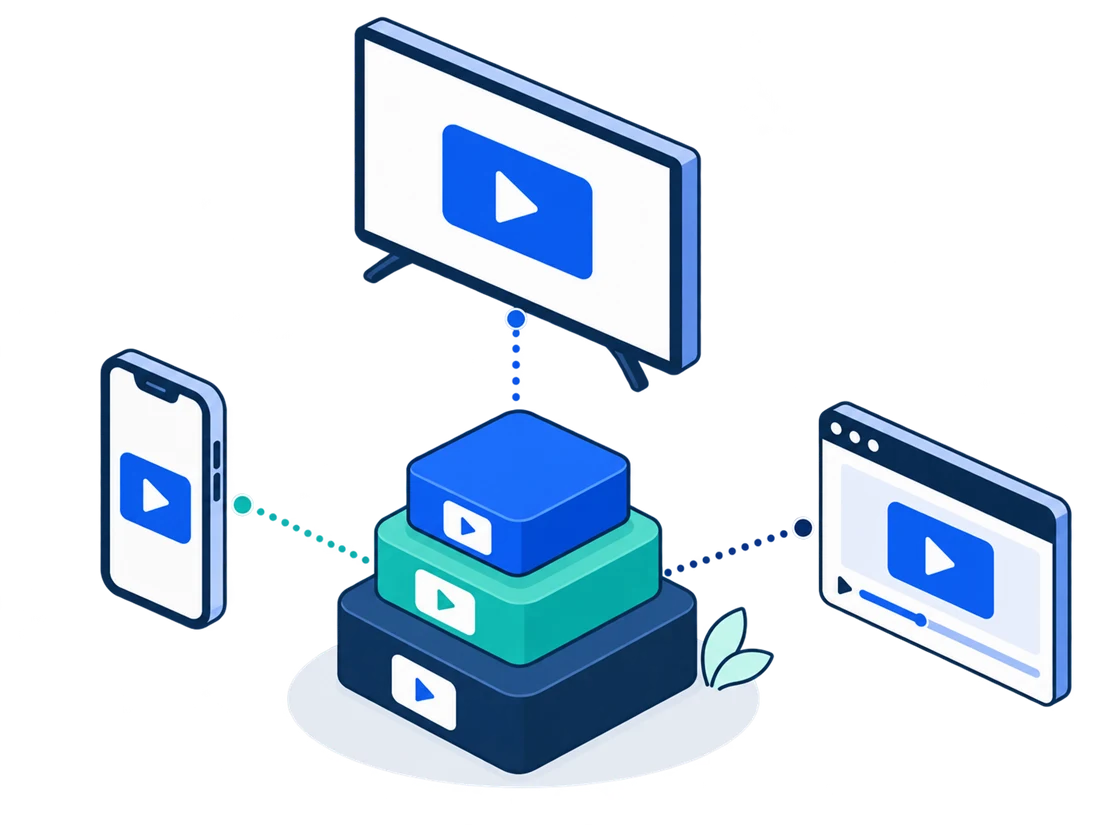
Serve, route, measure, and protect mobile, CTV, OTT, and video campaigns through a flexible delivery layer built for modern publisher and platform workflows.
- Mobile
- CTV
- OTT
- Video
Built to support CTV and OTT environments, including device and publisher workflows.
Supports workflows involving
 Google Ad Manager



The delivery layer
Built for the part of the stack between the request and the report.
Ad servers, SSPs and wrappers each solve a piece of monetisation. AdStack covers the stretch they leave to you: deciding what is eligible, delivering it from the right place, and keeping an auditable record of what happened.
- 01
Request
An app, player or CTV runtime asks for an ad, directly or through an existing ad-server workflow.
- 02
Decide
IP intelligence, geography, policy and weighted allocation settle what is eligible and what is chosen.
- 03
Deliver
Creative comes from first-party hosted content on a CDN, or is passed on to a third-party VAST wrapper.
- 04
Track
Separate trackers record delivery, impressions, events and quality, with signed URLs.
- 05
Report
Impression, quartile and event data feeds reports by geo, app, bundle and more.
Environments
Four kinds of screen, each with its own constraints.
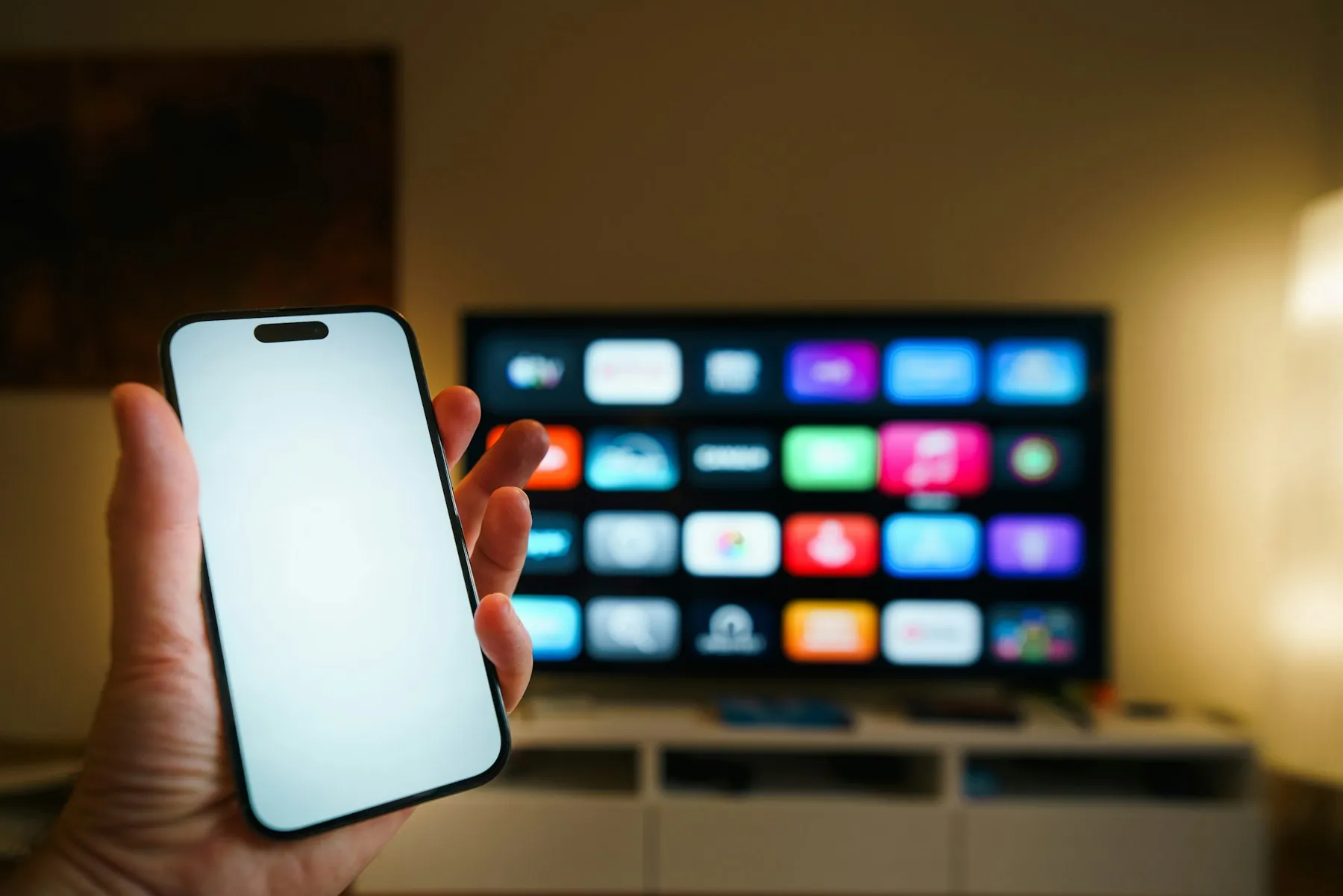
A phone app, a television and a browser player do not behave alike. Delivery has to account for that without forcing you to run four separate set-ups.
Mobile apps
In-app placements served with decisioning and tracking handled on the server side, so campaign changes do not wait on an app release.
Mobile deliveryConnected TV
Lean-back playback, remote-driven devices and long ad pods. Built to support CTV environments, including device and publisher workflows.
CTV deliveryOTT
Streaming services running their own players. Ad requests, wrappers and tracking sit beside your current ad server instead of replacing it.
OTT deliveryDigital video
VAST-based delivery for web and in-app players, with third-party wrapper support and quartile tracking.
Video deliveryIntegration ecosystem
Runs next to the platforms you already use.
AdStack supports workflows involving Google Ad Manager, SpringServe, Magnite, Aniview, and FreeWheel, subject to client-side setup and applicable platform requirements.
- Google Ad ManagerTag and wrapper workflows
- SpringServeVideo and CTV ad-serving workflows
- MagniteSupply-side workflows
- AniviewVideo player and wrapper workflows
- FreeWheel (Comcast)Publisher video ad-serving workflows
- Third-party VAST wrappersPassed through and tracked
- Third-party trackersFired alongside AdStack's own
- And more, plus customPubMatic, Index Exchange, OpenX and others
Delivery integrity
Every tracking event carries its own signature.
A pixel anyone can fire is a number anyone can inflate. AdStack signs tracking URLs with HMAC and checks the signature when the event comes back.
- HMAC event signing. Altered or fabricated event URLs fail verification and are not counted as clean.
- Independent trackers. Delivery, impression, event and quality trackers run separately, and third-party trackers are supported alongside them, so one record can be checked against another.
- MaxMind IP intelligence. IP detection and geographic data support policy decisions at request time.
- Fraud signals. Suspicious patterns feed decisioning, where requests can be limited, filtered or flagged for review.

Content delivery
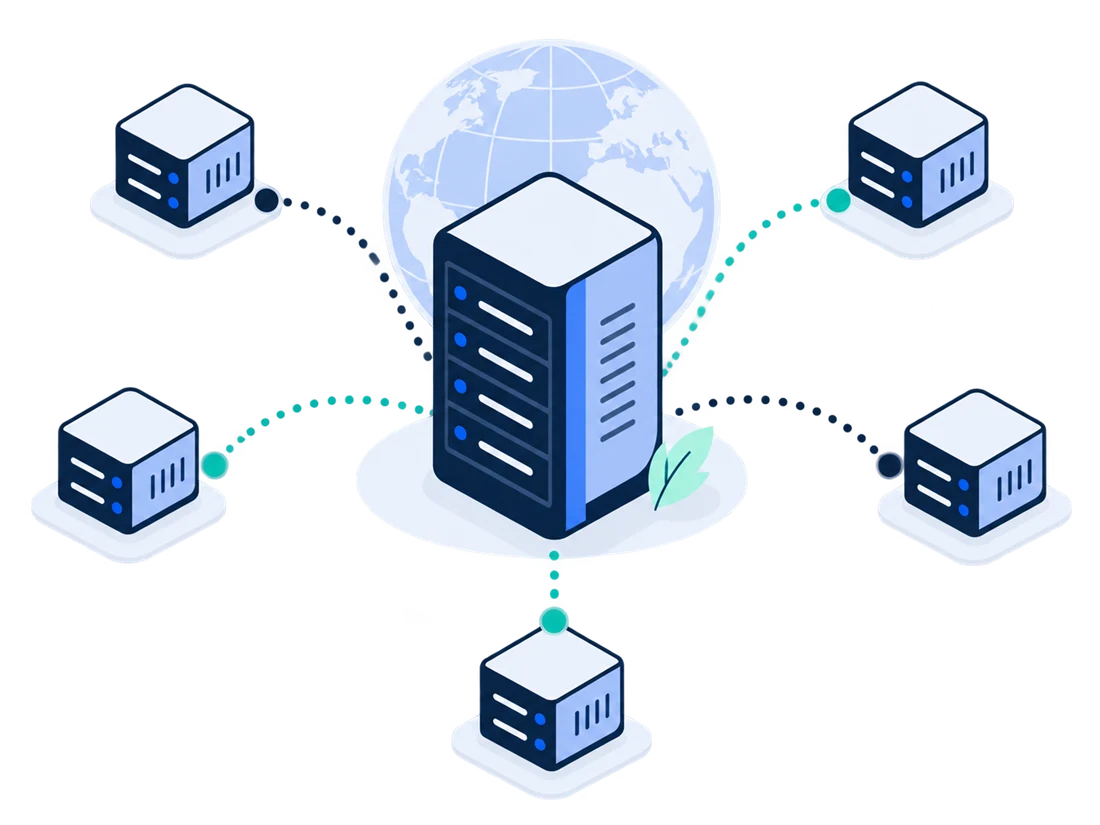
Creative hosted by AdStack, delivered through CDN infrastructure worldwide.
Playback stalls cost impressions, and a slow creative on a television is more noticeable than on a phone. AdStack can host ad content first-party and deliver it through CDN infrastructure worldwide, so the file a viewer needs is served from a location close to them.
Where a campaign arrives through another party, third-party VAST wrappers and external ad-serving workflows are supported too. Hosting first-party is a choice, not a requirement.
CDN and hosting
We support delivery through the CDN and hosting providers you already run.
Hosted creative is addressed by plain URLs, so it can be fronted by the network you prefer, whether that is a global CDN with major PoPs or a regional provider with smaller edge locations close to your viewers.
 Cloudflare
 Akamai
 Fastly
 Bunny
Bunny- Amazon Web Services
 OVHcloud
- Linode
 Hetzner
Product and provider names are trademarks of their respective owners.
Regions
Every region. Every country. Every city.
Viewers, publishers and campaigns are spread across the world, and so is delivery. AdStack serves all regions, all countries and all cities, from India, APAC and East Asia to Oceania, the Middle East, North and South Africa, Europe, North America and South America.
- India
- APAC
- East Asia
- Oceania
- Middle East
- North Africa
- South Africa
- Europe
- North America
- South America
Where a campaign should run in some regions and not in others, IP intelligence turns that into a rule: allow, restrict or weight by region. Need a region that is not listed? Ask us.
Who it is for
Start from where you sit in the ad chain.
Publishers and OTT platforms
You own the inventory. AdStack handles request routing, delivery and tracking next to your ad server or SSP, across mobile, CTV and video.
Talk to us as a publisherAd networks
You balance several demand and supply sources. Weighted allocation and separate trackers give you a controlled split and a second record to reconcile against.
Talk to us as a networkAdvertisers
You want a campaign on specific screens in specific places. Distribution controls and signed tracking give you something concrete to inspect afterwards.
Talk to us as an advertiserQuestions
What people usually ask first.
What is AdStack?
AdStack is ad serving and monetisation infrastructure for mobile apps, connected TV, OTT and digital video. It handles request routing, ad delivery, decisioning controls and event tracking. It is operated by Algosoft Apps Technologies (P) Ltd. in Noida, India.
Which platforms and environments does AdStack support?
AdStack supports workflows involving Google Ad Manager, SpringServe, Magnite, Aniview and FreeWheel, plus third-party VAST wrappers and CTV and OTT environments, including device and publisher workflows. Support is subject to client-side setup and each platform's own requirements.
Can AdStack serve third-party VAST wrappers?
Yes. Third-party VAST wrappers and external ad-serving workflows are supported, and they can run alongside creative that AdStack hosts first-party on its CDN.
How does AdStack check that tracking events are genuine?
Tracking URLs are signed with an HMAC. When an event comes back, the signature is recomputed and compared. Events that fail the check are rejected or flagged instead of being counted as clean. Separate trackers for delivery, impressions, events and quality give you more than one record to reconcile.
What does MaxMind do in AdStack?
AdStack uses MaxMind IP intelligence to detect and classify IP addresses and to support geographic and policy decisions, such as country-level targeting or restriction. Results depend on the data available for a given IP address.
Does AdStack remove all invalid traffic?
No system does. AdStack monitors fraud signals and feeds them into decisioning, so suspicious requests can be limited, filtered or flagged for review. Thresholds and responses are agreed for each integration.
How do I get started?
Send a short brief through the contact form or WhatsApp: your environment, your current ad stack and a rough monthly ad request volume. We will reply with how the workflow would fit and what is needed on your side.
Which regions does AdStack serve?
AdStack serves all regions, all countries and all cities, including India, APAC, East Asia, Oceania, the Middle East, North Africa, South Africa, Europe, North America and South America. Regional rules, such as allowing, restricting or weighting delivery by region, use IP intelligence.
How does instant ad serving work through a CDN?
The player asks for an ad and AdStack returns a response pointing to a CDN URL for the creative. The viewer is routed to a nearby point of presence, either a smaller edge PoP close by or a major PoP in the nearest hub. If the file is cached there, it starts streaming at once. If not, the PoP fetches it from a larger upstream PoP or the origin and keeps a copy for the next viewer.
Tell us about your inventory, your stack and your volumes.
A short brief is enough. We will come back with how the workflow would fit and what needs doing on your side.